Community Affiliate

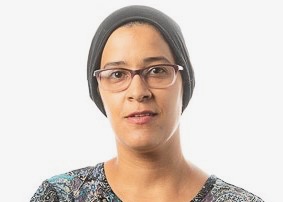
Júlia Tordeur is a historian, researcher, and oral historian whose work focuses on memory, diaspora, gender, genocide studies, and digital humanities. She holds a PhD in History, Politics and Cultural Heritage from the Getulio Vargas Foundation (FGV/CPDOC), where she defended the dissertation “As Mulheres que Sobreviveram ao Deserto: Avós e a Transmissão da Armenidade na Diáspora Armênia no Brasil” in March 2026.
She is currently a Substitute Lecturer in Contemporary History at the Institute of History of the Federal University of Rio de Janeiro (UFRJ), and a researcher at the Núcleo de História Oral e Memória, TEMPO/UFRJ. She is also the coordinator of Memórias Armênias, a digital public history and oral history project dedicated to preserving the memories, family archives, photographs, and cultural histories of the Armenian community in Brazil.
Her doctoral research examines the role of Armenian women, especially grandmothers, in the intergenerational transmission of memory and identity in the Armenian diaspora in Brazil. Based on life-history interviews with Armenian women in São Paulo and Rio de Janeiro, her work explores how memories of genocide, displacement, belonging, and cultural continuity are preserved through everyday practices, family narratives, and affective forms of transmission. She was a Visiting Researcher at the Centre for Oral History and Digital Storytelling at Concordia University and at the Armenian Genocide Museum-Institute in Yerevan. Her broader research interests include oral history methodology, diasporic identities, women’s memories, archival silences, digital archives, public history, and the relationship between academic knowledge and community-based memory work.