
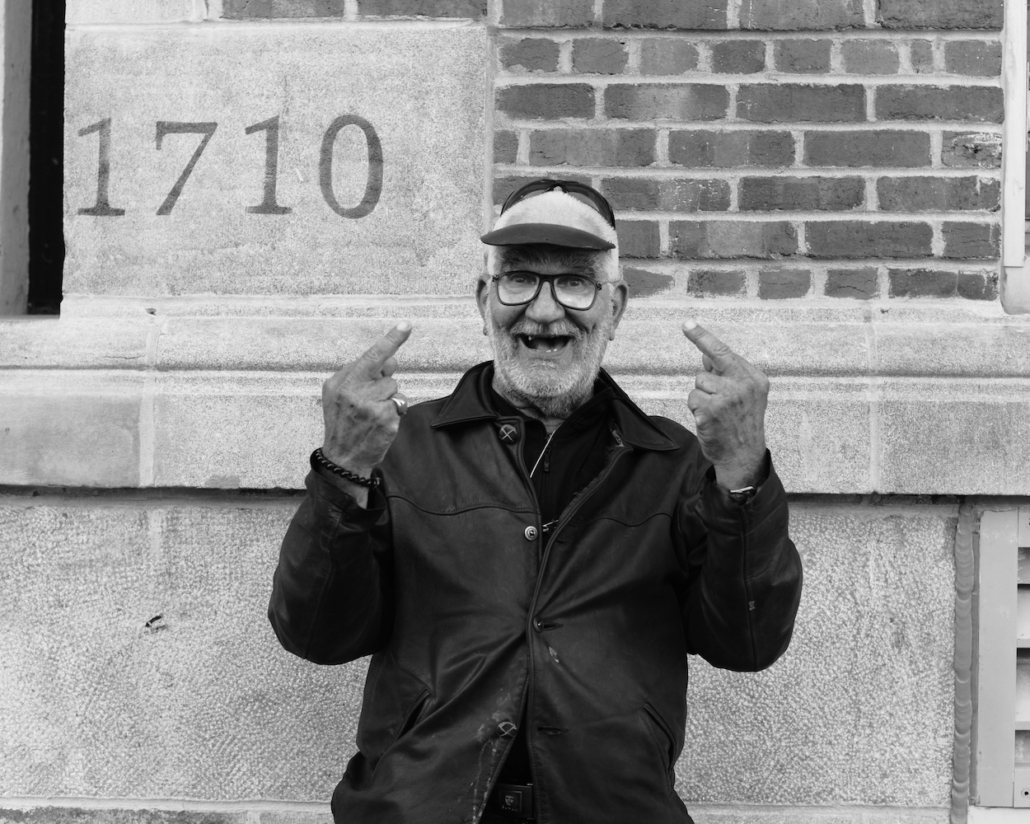
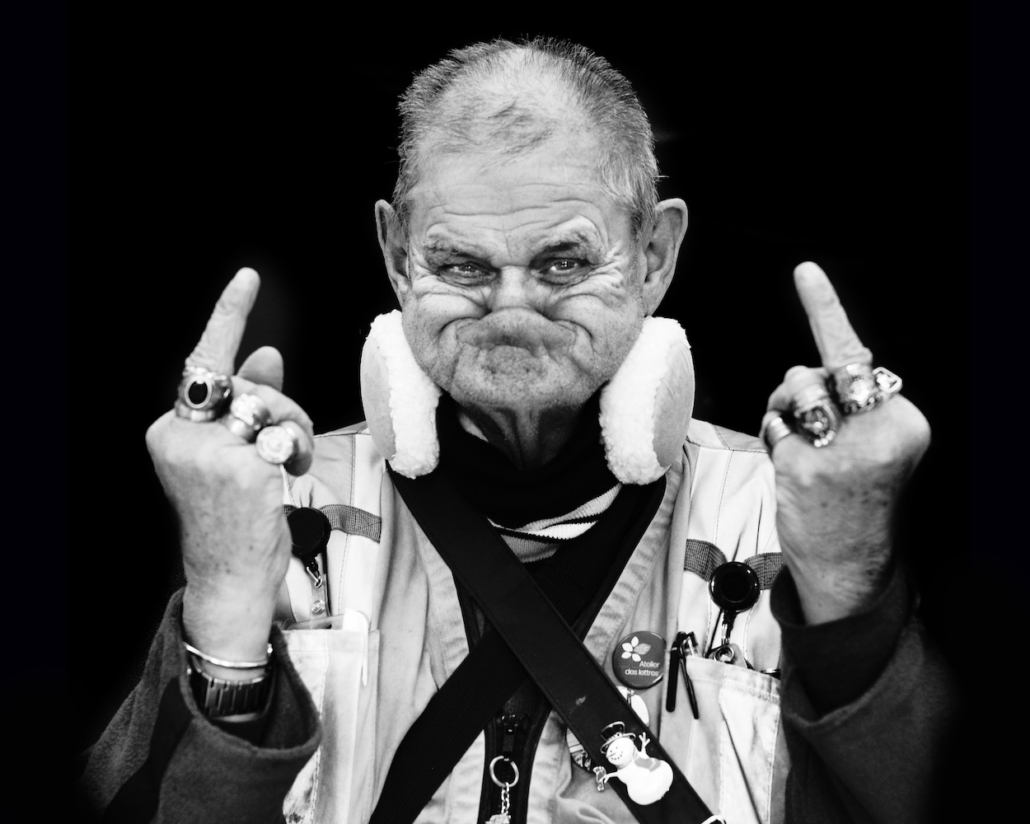
The Duplessis Orphans refer to thousands of children in Quebec who were institutionalized, often because they were born out of wedlock, and subsequently falsely labeled as “mentally disabled” by religious, medical, and government authorities. Confined to psychiatric institutions and deprived of education, these children were subjected to forced labor, medical experimentation, and physical and sexual abuse—leaving many of them struggling to reintegrate society as adults.
In the 1990s, the Comité des orphelins et orphelines institutionnalisé·e·s de Duplessis (COOID) took to the streets to publicly denounce the state, the Church, and the medical establishment for their prolonged institutionalization, which was driven by financial interests. The government offered compensation of $15,000 per survivor in exchange for waving any legal action. The religious congregations that administered and worked in these institutions have never issued a formal apology.
Today, the COOID supports the Kanienʼkehá:ka Kahnistensera (Mohawk Mothers), a traditionalist Indigenous group from Kahnawà:ke, in their investigation into these institutions, where Indigenous children were also confined—some of whom disappeared and are believed to be buried in unmarked graves. Some of the Duplessis orphans are Indigenous and recognized under the Indian Act, while others attended these institutions alongside Indigenous children.
By weaving these stories together, the project highlights the work that these community members, many of whom are in their eighties, continue to undertake to defend their right to dignity, and to foster reciprocal healing through traditions and ceremonies. This approach opens pathways toward intercultural dialogue rooted in memory, mutual support, and resilience.
Team
Léa Denieul Pinsky is a postdoctoral researcher at the Institut national de la recherche scientifique (INRS)
Philippe Blouin is a postdoctoral researcher in the Department of Criminology at the University of Ottawa
Photography credits : Arianne Clement
